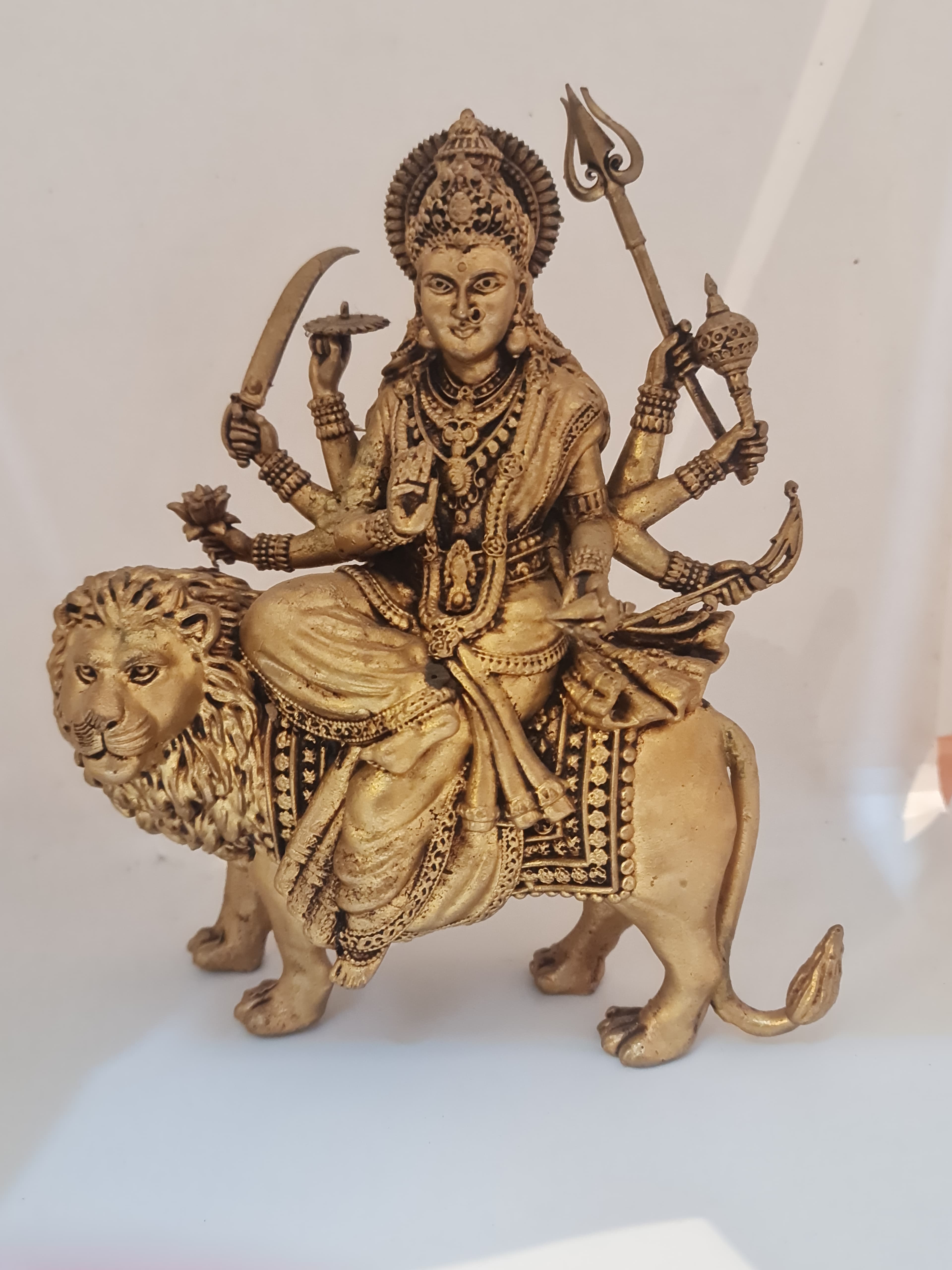

The Essence of a Home Altar
In the bustle of modern life, a home pooja room or spiritual corner serves as an anchor of peace. Whether you have a dedicated room or a quiet alcove in your living room, styling this sacred space is a deeply personal and artistic ritual. Traditional home altars are transitioning away from heavy dark wood cabinetry toward open, airy, and light-filled spaces accented with exquisite brass artifacts.
"The pooja corner is not just a place for daily rituals; it is a visual representation of silence, gratitude, and ancestral connection in the household."
1. Vastu Alignment: Direction and Lighting
According to Vastu Shastra, the northeast direction (Ishanya corner) is the most auspicious quadrant for spiritual energy. When aligning your altar, place deities facing either East or West. For lighting, introduce a continuous soft glow. Avoid harsh white fluorescent bulbs; instead, embrace the warm flickers of pure brass oil lamps and soft, warm-colored spotlight downlights that highlight the handcarved features of your brass idols.
2. The Art of Layering Brass Accents
To create a cohesive, elevated aesthetic, layer your brass objects by size and purpose. Start with a prominent brass center Singhasan or high pedestal for the main deity. Place supporting accents such as brass oil cups (diyas), incense stand holders, and offering thali plates symmetrically around the base. A staggered height arrangement immediately builds depth and guides the eye toward the center of your altar.
- Pedestals & Singhasans: Use elevated platforms to give focal deities prominence.
- Symmetric Diyas: Place brass diyas on both the left and right sides to frame the altar space beautifully.
- Natural Accents: Intersperse warm brass metals with fresh marigolds, green leaves, or jasmines to breathe life and color into the setting.
3. Maintaining Spiritual Longevity
Pure brass develops a natural, beautiful rich patina over time due to contact with air and moisture. To maintain the bright golden-brass shine, wash your ceremonial pieces regularly using organic cleaners such as pitambari powder, lemon juice mixed with table salt, or tamarind paste. Avoid harsh steel wool scrubbing pads which can leave permanent micro-scratches on delicate hand-finished features.